Help Your Child Build Confidence with Reading, Communication, and Problem Solving
A Research-Based Approach to Support Early Literacy, Language, and Problem-Solving Skills Through Purposeful Reading Routines.
Learn about the book

Many children, especially in their early years, have difficulties with reading, effective communication, and problem-solving.
Although these challenges are common, they are seldom permanent, and once given the right support, most children can build the skills and develop the confidence they need to succeed.
Often, these children do not require specialized programs or intervention.
They simply need to have the appropriate supports built into their everyday routines at home and in the classroom.
About the Author

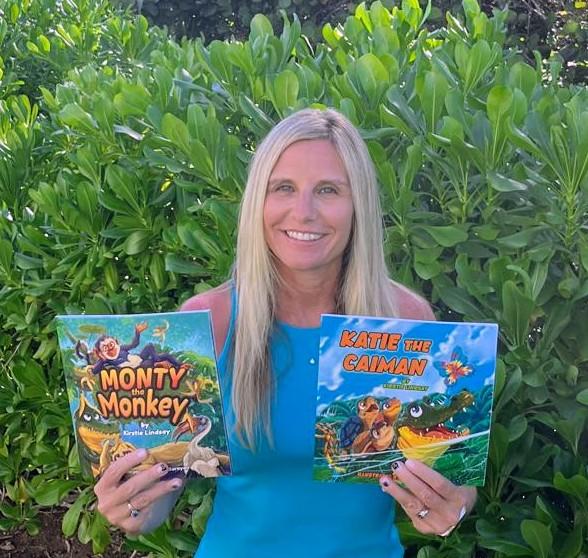
Kirstie has spent over twenty years working as a speech-language pathologist in hospitals, public health, schools, and private practice in Canada, England, and the Cayman Islands.
While providing children with early literacy, language, and problem solving skills, she has observed that they may begin to lose confidence, not because they lack ability, but because they are missing key foundational skills.
Katie the Caiman and Monty the Monkey were written with the goal of incorporating those foundational skills into everyday reading moments and doing so in a manner that feels supportive, simple, and practical.
Katie the Caiman
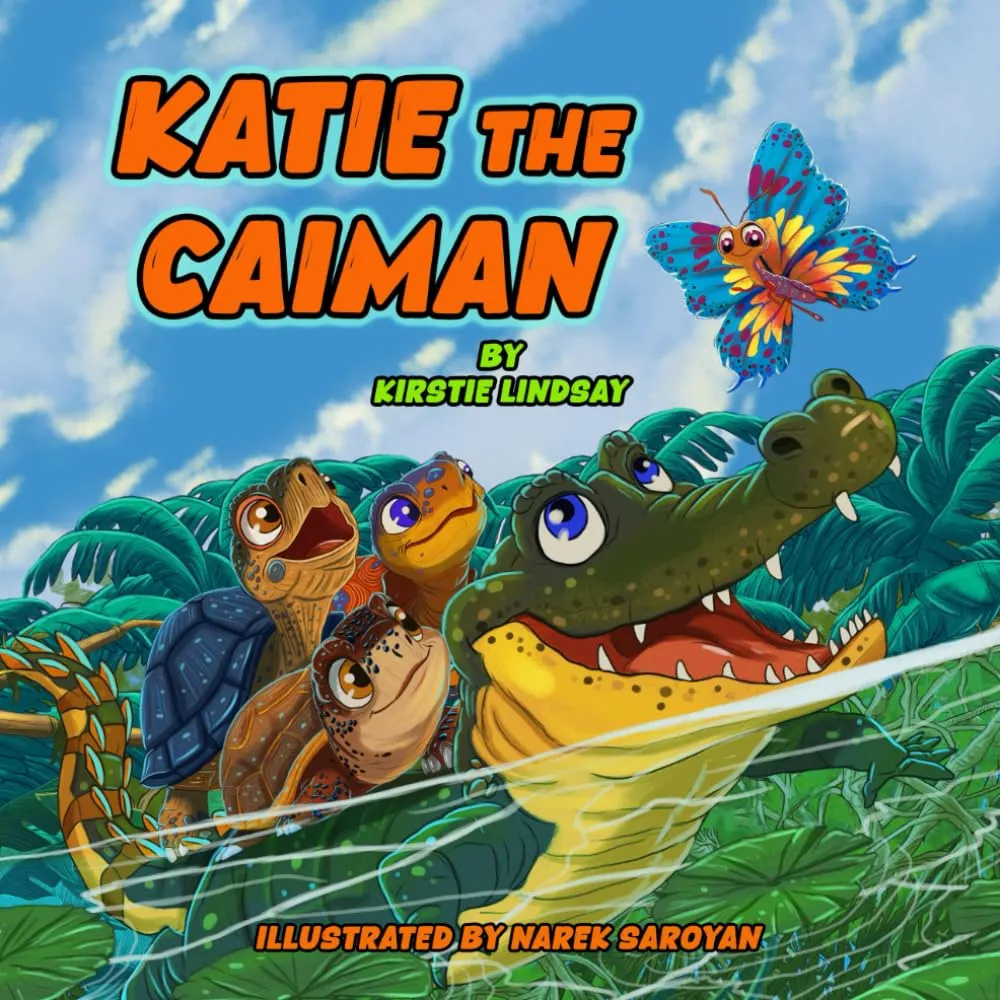
Based on a true rescue story, this book follows Katie’s unexpected journey to the Jaguar Rescue Center in Costa Rica.
With rhyme, repetition and colorful illustrations, Katie's story gives children plenty to notice, talk about and enjoy.

Monty the Monkey
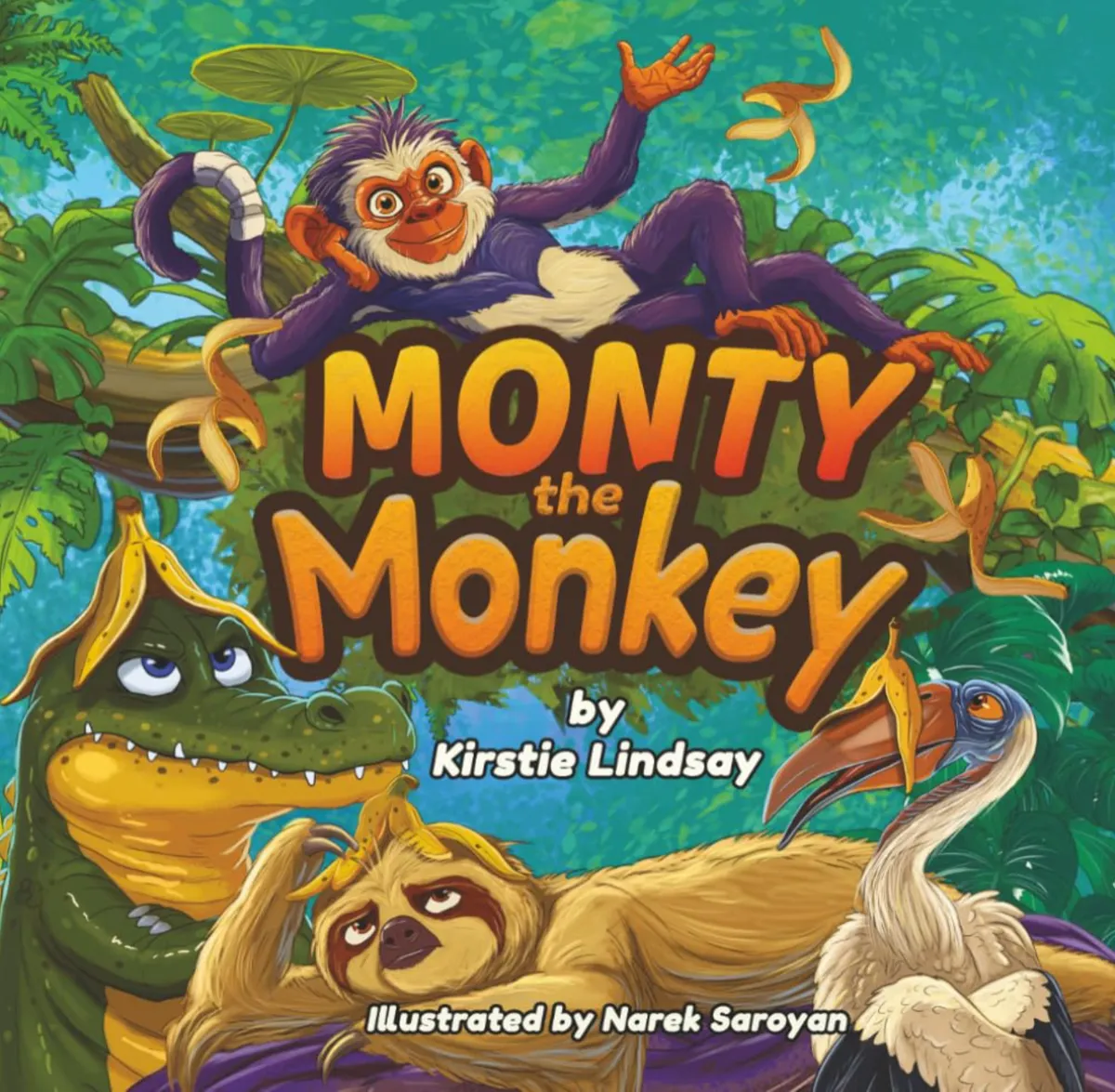
Monty loves playing tricks, but he soon discovers that teasing others makes it hard to make friends.
Follow this mischievous little monkey as he learns to listen, consider others and become a thoughtful, playful companion.
A Simple Way to Support Your Child
Step 1
Get the Book
Start with a story that fits naturally into routines you already have.
Step 2
Use the Tools and Resources
Learn how to support important skills while you read, without extra planning.
Step 3
Read Together and Watch Your Child Grow
Small, consistent moments build confidence and capability over time.
Over the years, I have seen that children flourish once they become more confident in their reading and language skills:
I once worked with a kindergarten student who told me, “I do not read books.”
At five years old, she had already decided that reading was not for her. Any time a book was introduced, she avoided it. When we looked more closely, we realized she was missing key foundational skills such as rhyming, syllabification, and sound awareness.
Once we began building those skills, her confidence shifted until one day she came into our session carrying a book that she had chosen from the library, and she read it aloud.
When I said, “You are a reader,” she smiled in a way that made it clear she finally believed it, too.
Another student I worked with struggled to speak up in class.
He would only talk one-to-one with a teacher or peer, and he avoided group participation as he struggled to communicate his thoughts and feelings and felt self-conscious expressing himself in front of others.
As his language skills and confidence grew, his comfort level increased.
About a year later, he volunteered to run for the school council.
This accomplishment was something that would have felt completely out of reach for him before.
I also worked with a student who had difficulty making and keeping friends.
Although his parents created many opportunities for social interaction, things often did not go well.
When we looked more closely, we found that he was struggling to read social cues.
Comments that he thought were funny sometimes came across as hurtful to other children.
As we worked on social language skills such as considering the perspectives of others and observing facial expressions and body language, his interactions began to change.
Over time, he was able to form and maintain friendships more successfully.